Grow your caseload. Walk in knowing everything.
Years of referrals, notes and intake, briefed to your clinicians before, during and after every consultation. No searching. No asking the patient to start over.
 End-to-end encrypted · UK/EU data residency
What can Aisel take off your plate?
See how clinics use Aisel
Get our case study pack by email, with practical examples from clinical teams.
We will only use your details to send relevant Aisel resources. Unsubscribe at any time.
AI scribes made notes faster to write, and harder to find. Aisel is the memory: everything documented about every patient, surfaced the moment it's needed.
Latest from the blog
Notes and research from our clinical team
Practical writing on documentation, workflow and clinical quality in psychiatric practice.
 Blog25 September 2026
The NHS knows the best model in the world. It has spent 40 years not copying it
The psychiatrist behind England's first Trieste-style neighbourhood mental health centre on the first-year figures from Birmingham, the beds that are not yet open, and why the NHS has spent 40 years not copying the model that works.
 Half of all cancer patients develop a mental disorder. The professor behind the number wants the patient to write in the recordBlog23 September 2026
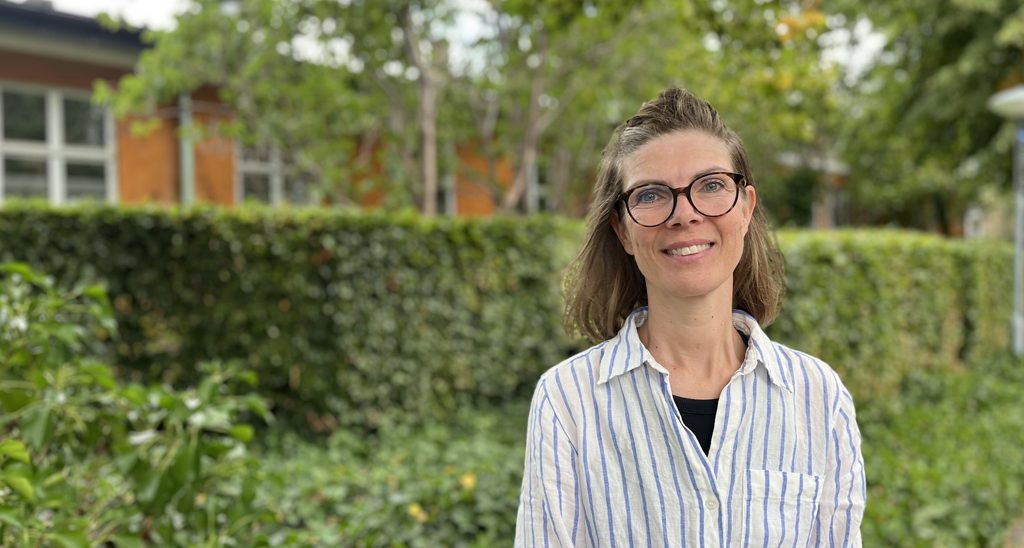 "Digital psychiatry can open up possibilities": Maria Faurholt-Jepsen on Denmark's first professorship in digital psychiatryBlog15 September 2026
 "People stop anyway": Helene Speyer on tapering antipsychotics, and why the guideline can end up protecting the doctor better than the patientBlog14 September 2026
 "Triage should improve allocation of care, not become a mechanism for arbitrary exclusion": Marios Adamou on adult ADHDBlog9 September 2026
The friction
Growth makes the gaps show
Private clinics carry the friction that large institutions spread across departments. The more patients, the heavier it gets.
The session starts cold
With no time to prepare, the patient repeats themselves while the clinician catches up on the clock.
Documentation turns into afterwork
Notes written from memory, hours after the session. The clinical thought is lost along the way.
Admin grows faster than capacity
Every new patient adds coordination on top. Growth becomes a burden instead of an opportunity.
Aisel removes the friction at the source
Across the visit
One record, from intake to signed document
Aisel prepares the consultation, captures the clinical record and assembles the work that follows.
AI intake and rating scales
Patients arrive already understood, and never retell their story.
85%
complete their intake before visit one, across live clinics
- Custom forms, open answers understood
- Full rating scale library, auto-scored
- Patient-led signup, no admin lift
- Automatic reminders until done
- Structured summary in the record
Aisel Scribe
Full attention on the patient. The note writes itself.
62%
less time on consultation notes. 202 timed tasks, 8 clinics, methodology published
- Psychiatry-specific note templates
- Knows the context of previous notes
- In-person and video consultations
- You review, you sign
- EHR sync, no copy-paste
Document generator
Court reports and MHA work take up to 57 minutes by hand. Aisel starts them assembled.
100%
of statements cited to source before you sign
- Court, tribunal, MHA, medico-legal, benefits
- Built from the whole record
- Contradiction detection
- Completeness check before signing
- Side-by-side source verification
The Aisel difference
Precision - not automation for automation's sake
We remove the burden without removing clinical rigour. Every feature exists to give back clinical time - not to replace judgment.
The patient is prepared before the session starts
AI-supported conversations gather the context up front. The clinician knows what matters before the clock starts.
- Adaptive intake that responds to the patient's answers
- Context from prior visits surfaced automatically
- The clinician reviews and confirms - never caught off guard
Documentation as an extension, not a burden
Information captured during the session, not reconstructed after. The note becomes a continuation of clinical thinking.
- Real-time documentation during the session
- Your clinical voice preserved - not forced into a template
- Information reusable across the patient journey
Decisions made with the full picture
No more scattered notes or fragmented context. Every decision point has the information it needs.
- Clear review status on every document
- Structured data trails, ready for audit
- Clinician sign-off at every decision point
Security and compliance in institutional class
Infrastructure built for regulated healthcare. GDPR compliant, end-to-end encrypted, with full control of your own data.
- GDPR-compliant infrastructure
- Data residency in the UK/EU
- End-to-end encryption
Latest in the rating scale library
Recently reviewed rating scales
Clinician's briefs, scoring guidance and interactive versions of the instruments we maintain.